03/06/2026
Major UK Infrastructure Projects Creating Construction Jobs
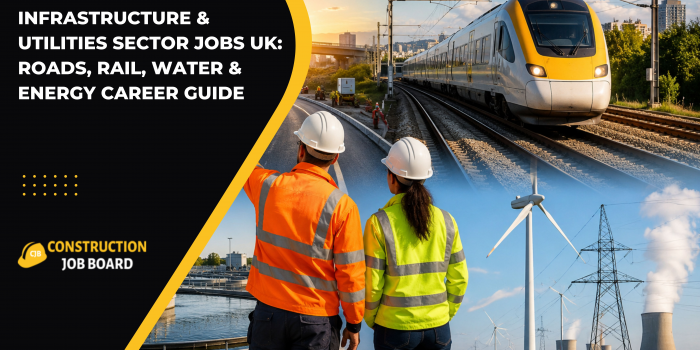
The UK construction industry continues to play a crucial role in economic growth, and major infrastructure developments are creating thousands of new employment opportunities nationwide. From transport improvements and renewable energy projects to housing developments and public sector investments, these large-scale initiatives are driving demand for skilled workers across multiple disciplines.
For job seekers, this is excellent news. As infrastructure investment increases, employers are actively recruiting workers for a wide variety of construction jobs UK, including trade positions, engineering roles, management careers, and specialist technical jobs.
Whether you're an experienced construction professional or someone considering a new career path, understanding which projects are generating employment opportunities can help you identify growing sectors and promising career prospects.
Why Infrastructure Projects Matter to Construction Employment
Infrastructure projects provide the foundation for economic development. They improve transportation networks, energy systems, housing availability, and public services.
Every major project requires a large workforce, including:
- Construction labourers
- Groundworkers
- Electricians
- Plumbers
- Civil engineers
- Quantity surveyors
- Site managers
- Project managers
- Health and safety professionals
Because many projects span several years, they also offer long-term employment opportunities and career stability.
The Growing Demand for Construction Jobs UK
The construction industry continues to face a significant skills shortage while simultaneously managing increasing project demand.
Several factors are driving recruitment:
Housing Demand
The UK requires additional housing to support population growth and address shortages across many regions.
Infrastructure Modernisation
Roads, railways, utilities, and public facilities require ongoing investment and upgrades.
Renewable Energy Expansion
The transition to cleaner energy sources has created demand for construction professionals with specialist skills.
Economic Development
Government and private sector investment in infrastructure stimulates employment and regional growth.
As a result, construction recruitment remains strong across numerous sectors.
Transport Infrastructure Projects
Transport improvements represent some of the largest sources of construction employment.
Railway Development
Rail infrastructure projects require extensive construction expertise.
Common roles include:
- Civil engineers
- Site supervisors
- Track installation teams
- Groundworkers
- Quantity surveyors
Rail projects often create employment opportunities over extended periods due to their scale and complexity.
Road Improvement Programmes
Road construction and upgrade projects continue to create substantial demand for skilled workers.
These projects typically require:
- Machine operators
- Highway engineers
- Traffic management professionals
- Construction labourers
- Site managers
The ongoing need for transportation improvements ensures a steady pipeline of opportunities.
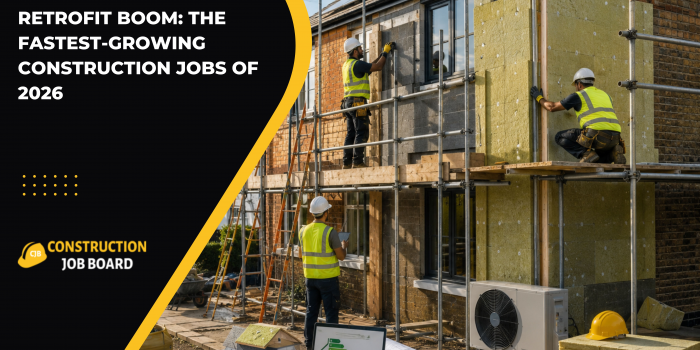
Housing Development Projects
Residential construction remains one of the strongest employment generators within the industry.
New Housing Communities
Large housing developments require workers across every stage of construction.
Popular roles include:
- Bricklayers
- Carpenters
- Electricians
- Plumbers
- Roofing specialists
Affordable Housing Projects
Government-backed housing initiatives continue to increase demand for construction workers across the country.
Many employers involved in housing projects also offer apprenticeship programmes for new entrants.
Renewable Energy Construction Projects
Renewable energy is one of the fastest-growing areas of construction employment.
Wind Energy Projects
The UK continues to invest heavily in wind power infrastructure.
Construction professionals involved include:
- Civil engineers
- Electrical engineers
- Construction managers
- Site operatives
Solar Energy Developments
Large-scale solar installations create opportunities for:
- Electricians
- Project managers
- Installation technicians
- Site supervisors
Battery Storage Facilities
Energy storage projects are becoming increasingly important to the UK's energy strategy.
These facilities require specialist construction expertise and technical skills.
Water Infrastructure Improvements
Water networks require continuous maintenance and expansion.
Water Treatment Facilities
Construction workers help build and upgrade treatment plants and supporting infrastructure.
Pipeline Projects
Pipeline installation and maintenance projects generate demand for:
- Groundworkers
- Plant operators
- Civil engineers
- Construction supervisors
Water infrastructure investment continues to create long-term employment opportunities.
Commercial Construction Projects
Commercial developments remain a significant contributor to construction recruitment.
Office Buildings
Modern office developments require multidisciplinary construction teams.
Industrial Facilities
Warehouses, logistics centres, and manufacturing facilities continue to drive demand for construction workers.
Retail Developments
Retail projects provide employment opportunities for skilled tradespeople and project management professionals.
Public Sector Construction Projects
Government-funded projects remain a major source of construction employment.
Schools and Educational Facilities
New educational buildings and refurbishments require construction expertise across multiple disciplines.
Healthcare Facilities
Hospital developments and healthcare infrastructure improvements create substantial employment opportunities.
Community Infrastructure
Local authority investments in public facilities also contribute to construction demand.
Civil Engineering Jobs UK Are Growing
Civil engineering remains one of the most important professions supporting infrastructure development.
Key Responsibilities
Civil engineers are responsible for:
- Project design
- Structural analysis
- Site planning
- Construction oversight
- Risk management
Skills Employers Seek
Employers increasingly value:
- Technical expertise
- Problem-solving skills
- Project management abilities
- Sustainability knowledge
Career Prospects
Civil engineers often enjoy excellent salaries and long-term career progression opportunities.
Construction Management Careers
Large infrastructure projects require experienced leadership.
Site Managers
Site managers coordinate daily operations and ensure projects remain on schedule.
Project Managers
Project managers oversee budgets, timelines, stakeholders, and project delivery.
Construction Directors
Senior professionals manage multiple projects and strategic business objectives.
The demand for experienced managers continues to grow as project complexity increases.
Skilled Trades Remain Essential
Infrastructure projects rely heavily on skilled tradespeople.
Electricians
Electrical installation remains critical for modern infrastructure and renewable energy systems.
Plumbers
Water systems, drainage networks, and heating installations require qualified plumbers.
Carpenters
Structural and finishing carpentry remains essential across construction projects.
Bricklayers
Housing developments continue to generate demand for skilled bricklayers.
These professions offer strong earning potential and long-term employment prospects.
Apprenticeship Opportunities
Many infrastructure projects include apprenticeship programmes designed to attract new talent.
Benefits include:
- Paid employment
- Industry-recognised qualifications
- Practical experience
- Career progression opportunities
Apprenticeships remain one of the best ways to enter the construction industry.
Technology Is Transforming Infrastructure Construction
Modern projects increasingly utilise advanced technologies.
Building Information Modelling (BIM)
Digital project planning improves efficiency and collaboration.
Drones and Surveying Technology
Surveying professionals use advanced tools to improve project accuracy.
Sustainable Construction Techniques
Green construction practices continue to create demand for specialised skills.
Workers with digital and sustainability expertise may benefit from enhanced career opportunities.
Skills Employers Need Most
Current recruitment trends indicate strong demand for:
- Leadership skills
- Technical expertise
- Project management capabilities
- Health and safety knowledge
- Digital construction skills
- Sustainability awareness
Developing these competencies can significantly improve employability.
How Job Seekers Can Benefit
To maximise opportunities created by infrastructure projects, candidates should:
Obtain Relevant Qualifications
Industry-recognised qualifications remain highly valuable.
Secure a CSCS Card
Many sites require workers to hold a valid CSCS card.
Pursue Apprenticeships
Apprenticeships provide practical experience and professional development.
Build Technical Skills
Continuous learning helps workers remain competitive in an evolving industry.
Monitor Job Opportunities
Regularly checking specialist construction job boards can help identify emerging vacancies.
Future Outlook for Infrastructure Construction Jobs
The outlook for construction jobs UK remains positive.
Investment in:
- Housing
- Transportation
- Renewable energy
- Utilities
- Public infrastructure
will continue to create substantial employment opportunities across the country.
The ongoing skills shortage also means employers are likely to remain highly active in recruitment efforts.
Conclusion
Major UK infrastructure projects are creating thousands of construction jobs across multiple sectors. From transport networks and housing developments to renewable energy and public infrastructure, these projects are generating strong demand for skilled workers, engineers, tradespeople, and managers.
For job seekers, this presents an excellent opportunity to build a rewarding and stable career. By gaining qualifications, developing in-demand skills, and staying informed about emerging projects, construction professionals can position themselves for long-term success in one of the UK's most important industries.
FAQs
1. What infrastructure projects create the most construction jobs?
Transport, housing, renewable energy, water infrastructure, and public sector developments are among the largest sources of construction employment.
2. Which construction roles are most in demand on infrastructure projects?
Civil engineers, electricians, plumbers, site managers, quantity surveyors, and skilled tradespeople are highly sought after.
3. Do infrastructure projects offer long-term employment?
Yes. Many major projects span several years and provide long-term career opportunities.
4. Can beginners find jobs on infrastructure projects?
Yes. Apprenticeships, trainee positions, and entry-level labouring roles are often available.
5. Are infrastructure construction jobs well paid?
Many infrastructure-related roles offer competitive salaries due to the specialised skills and experience required.